 delishing
How to Cook Carnitas in a Slow Cooker

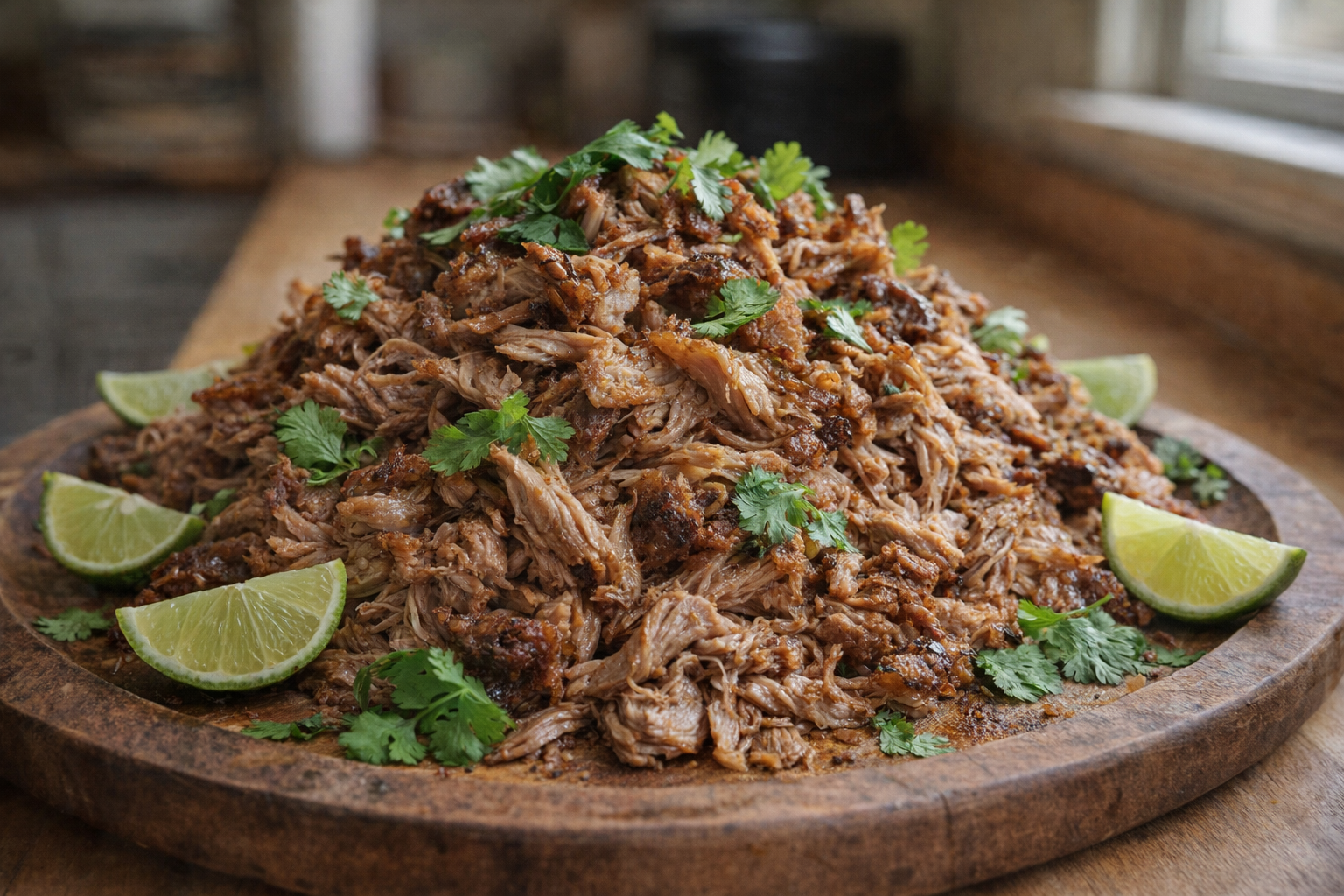
Carnitas, Spanish for "little meats," are a cornerstone of Mexican cuisine, celebrated for their deeply savory flavor and fall-apart tender texture. This recipe focuses on achieving authentic carnitas flavor using a slow cooker, a method that simplifies the process while maximizing the pork's natural richness. The extended cooking time allows the spices and citrus to fully penetrate the meat, creating an unforgettable culinary experience.
The beauty of slow-cooked carnitas lies in its hands-off approach and the forgiving nature of the cooking process. The pork shoulder, a cut known for its robust flavor and ample fat, transforms into a succulent masterpiece. The addition of citrus and aromatic spices creates a symphony of flavors that perfectly complement the richness of the pork, resulting in a dish that is both comforting and complex.
Understanding Pork Shoulder
Pork shoulder, also known as Boston butt or pork butt (despite coming from the shoulder), is the ideal cut for carnitas due to its high fat content and ample connective tissue. The fat renders during the slow cooking process, basting the meat from within and resulting in unparalleled tenderness and moisture. The connective tissue breaks down, creating that desirable "pulled pork" texture.
When selecting a pork shoulder, look for a cut that is well-marbled with fat. A bone-in shoulder will impart even more flavor, but a boneless shoulder is also acceptable. Aim for a 4-5 pound shoulder for this recipe. Avoid shoulders that appear dry or discolored. Freshness is key to a flavorful final product.
Why Cook Carnitas This Way?
- Versatility: Carnitas can be used in countless dishes, from tacos and burritos to salads and pizzas.
- Flavor: The slow cooking process allows the spices and citrus to deeply infuse the pork, resulting in a richer, more complex flavor than faster cooking methods.
- Convenience: The slow cooker does most of the work, freeing you up to focus on other tasks. Set it and forget it!
Preparation (Mise en Place)
Before you begin cooking, it's important to prepare your ingredients. This ensures a smooth and efficient cooking process.
- Thawing the Pork: If your pork shoulder is frozen, thaw it completely in the refrigerator for 24-48 hours. Never thaw meat at room temperature.
- Trimming (Optional): While some fat is essential for flavor and moisture, you can trim away any excessively thick layers of fat from the pork shoulder. Leave at least 1/4 inch of fat on the surface.
- Chopping Vegetables: Roughly chop one large onion and mince 4-5 cloves of garlic.
- Squeezing Citrus: Juice 2-3 oranges and 2-3 limes. Freshly squeezed juice provides the best flavor.
Essential Tools
- Slow Cooker (6-quart or larger): A slow cooker is essential for this recipe, providing the low and slow cooking environment needed to tenderize the pork.
- Large Skillet (Cast Iron Preferred): A cast iron skillet provides even heat distribution for searing the pork shoulder, enhancing its flavor.
- Tongs: For safely handling the pork shoulder during searing and transferring it to the slow cooker.
- Two Forks: For shredding the cooked pork.
- Baking Sheet: To crisp up the shredded pork under the broiler.
The Cooking Method
While searing the pork is optional, it does add a valuable layer of flavor through the Maillard reaction. This recipe includes instructions for both searing and going directly to the slow cooker.
Method: Slow Cooker Carnitas
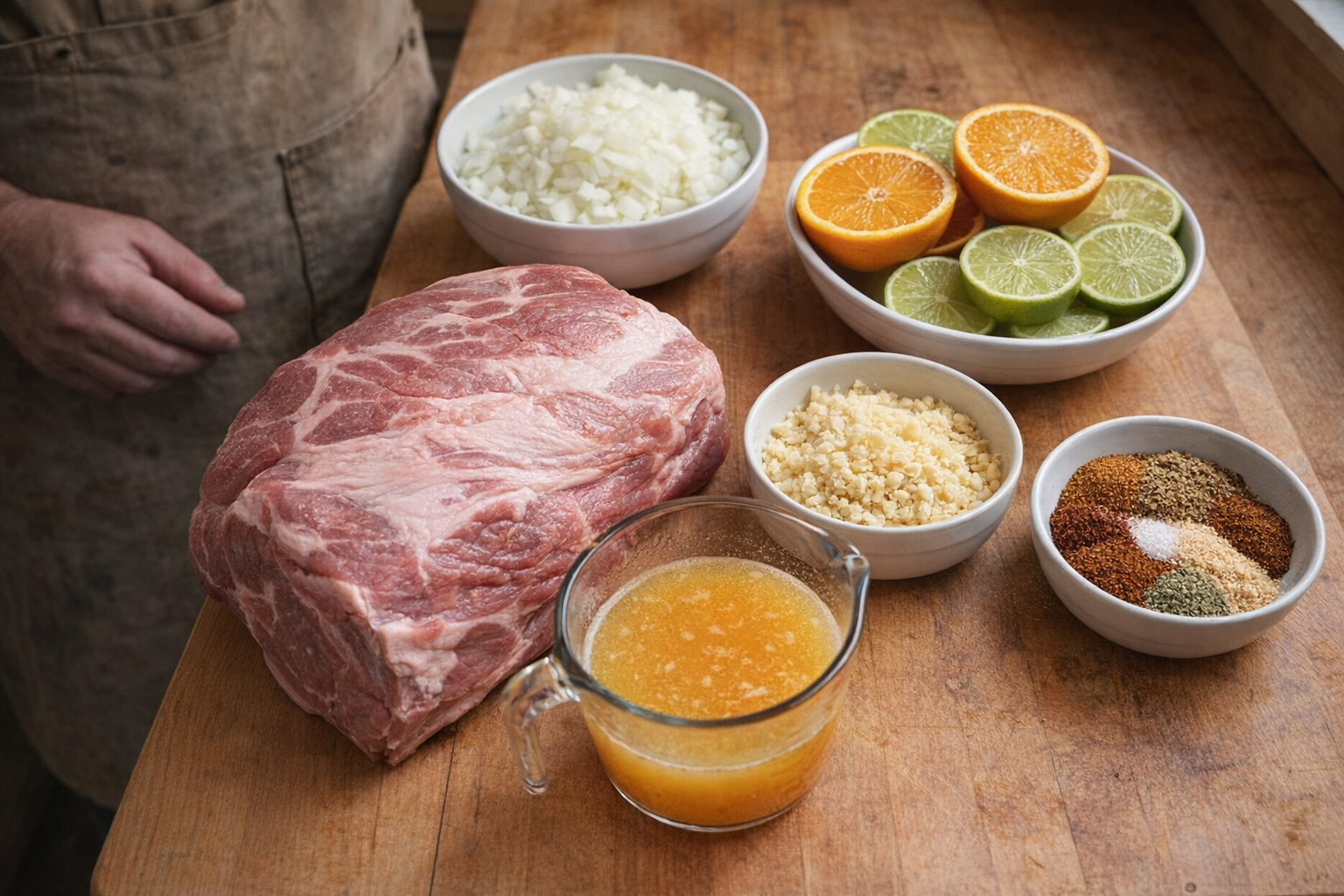
Ingredients:
- 4-5 lb pork shoulder, trimmed (1.8-2.3 kg)
- 1 large onion, roughly chopped
- 4-5 cloves garlic, minced
- 1 cup orange juice (240 ml)
- 1/2 cup lime juice (120 ml)
- 1 tbsp cumin (15 ml)
- 1 tbsp dried oregano (15 ml)
- 1 tbsp chili powder (15 ml)
- 2 bay leaves
- 1 cup chicken broth (240 ml)
- Salt and pepper to taste
- Fresh cilantro, for garnish
- Lime wedges, for serving
- Season the Pork: Generously season the pork shoulder with salt, pepper, cumin, oregano, and chili powder. Rub the spices all over the meat.
- Sear the Pork (Optional): Heat a large skillet (cast iron preferred) over medium-high heat. Add a tablespoon of oil. Sear the pork shoulder on all sides until browned, about 3-4 minutes per side. The kitchen will fill with a savory aroma as the pork caramelizes.
- Slow Cook: Place the seasoned (and seared, if applicable) pork shoulder in the slow cooker. Add the chopped onions, minced garlic, orange juice, lime juice, chicken broth, and bay leaves.
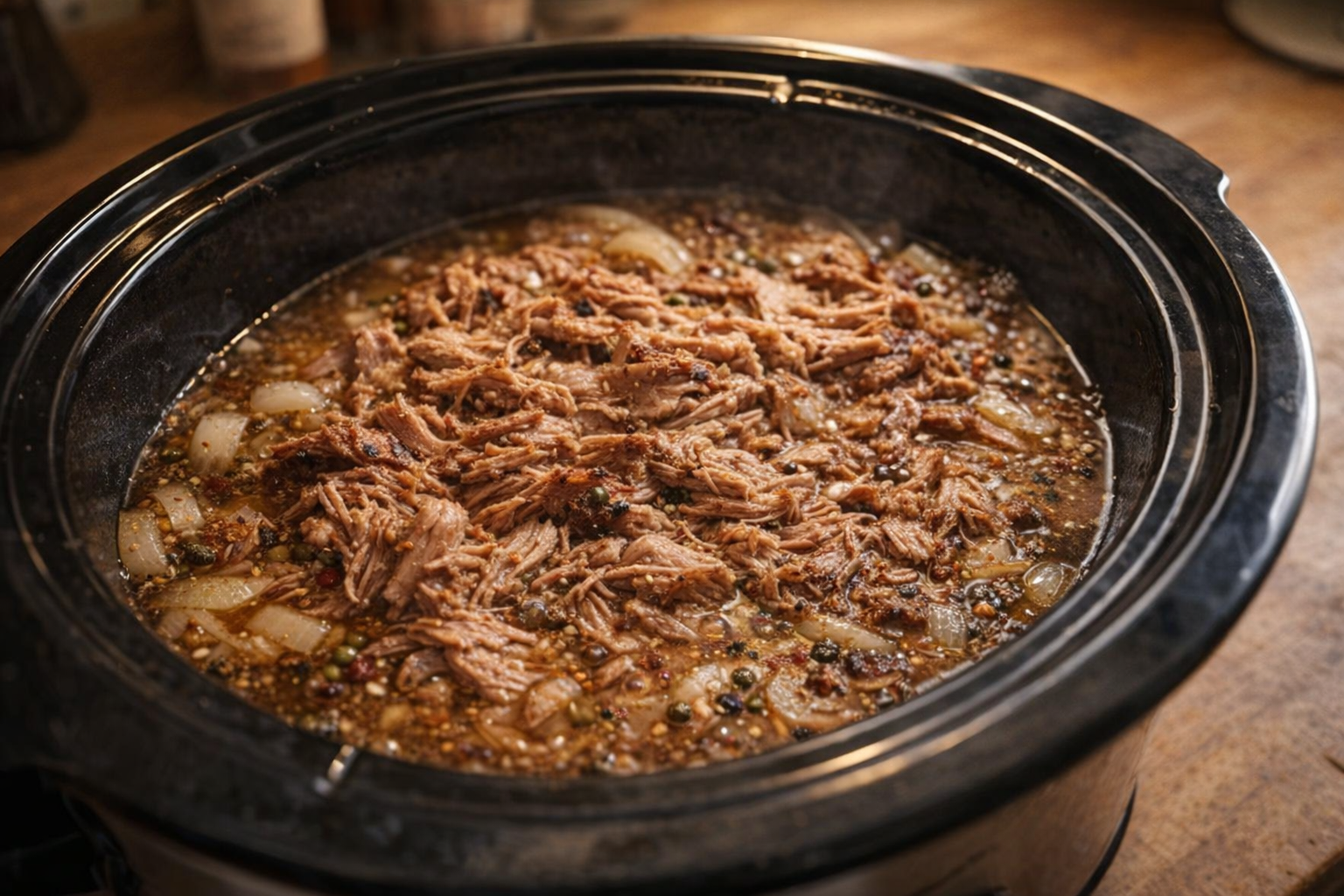
- Cook on Low: Cover and cook on low for 8-10 hours, or on high for 4-6 hours. The pork is done when it is easily shredded with a fork. The aroma of the cooking pork will intensify over time, a testament to the melding of flavors.
- Shred the Pork: Remove the pork from the slow cooker and shred it using two forks. Discard the bay leaves.
- Crisp the Pork: Preheat your broiler. Spread the shredded pork on a baking sheet and drizzle some of the cooking liquid over it. Broil for a few minutes until the edges of the pork are crispy and golden brown. Keep a close watch to prevent burning; the sugars in the citrus can caramelize quickly.
Cooking Time & Doneness Guide
- Slow Cooker (Low): 8-10 hours
- Slow Cooker (High): 4-6 hours
- Internal Temperature: While not strictly necessary for pulled pork, an internal temperature of 203°F (95°C) ensures maximum tenderness.
Visual Cues
The pork is done when it is easily shredded with two forks. The meat should be fork-tender and pull apart with minimal effort.
Tips for Perfection
- Don't Overcrowd the Pan (When Searing): If your skillet isn't large enough to sear the entire pork shoulder at once, cut it into smaller pieces and sear them in batches. Overcrowding will lower the pan temperature and prevent proper browning.
- Don't Skip the Citrus: The acidity of the orange and lime juice is crucial for tenderizing the pork and adding a bright, complementary flavor.
- Adjust Seasoning to Taste: Taste the cooking liquid after a few hours and adjust the seasoning as needed. Add more salt, pepper, cumin, or chili powder to suit your preferences.
- Crisp it Up: Broiling the shredded pork is essential for achieving that signature carnitas texture. Don't skip this step!
Storage & Reheating
- Storage: Store leftover carnitas in an airtight container in the refrigerator for up to 4 days or in the freezer for up to 3 months.
- Reheating: The best way to reheat carnitas is in a skillet with a bit of the cooking liquid. This will help to keep the pork moist. You can also reheat it in the microwave, but be careful not to overcook it.
Serving Suggestions
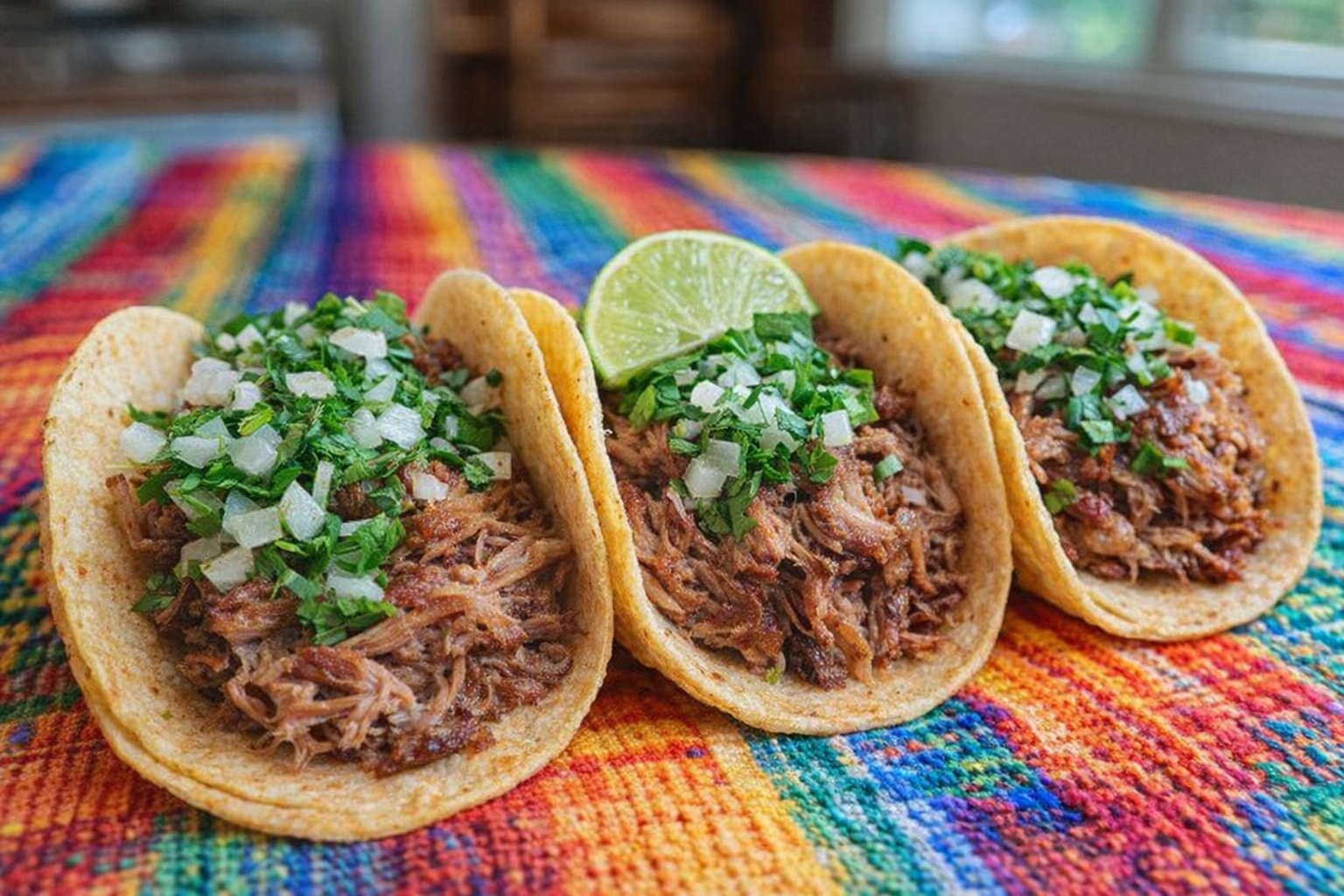
- Tacos: Warm corn tortillas and fill them with the carnitas. Top with diced onions, fresh cilantro, a squeeze of lime, and your favorite salsa.
- Burritos/Bowls: Layer the carnitas with rice, beans, guacamole, sour cream, and salsa in a burrito or bowl.
- Quesadillas: Add the carnitas to quesadillas with cheese and your favorite toppings.
- Nachos: Pile the carnitas on top of tortilla chips with cheese, beans, and other toppings for a crowd-pleasing appetizer.
💡 Pro Tips
- Sear the pork shoulder chunks in a heavy skillet before placing them in the slow cooker to lock in juices and create a complex, caramelized flavor.
- Once the meat is tender and shredded, broil it on a sheet pan for five minutes to get those authentic, crispy golden-brown edges.
- Resist the urge to add water or broth to the slow cooker, as the pork will release enough natural fat and moisture to braise itself perfectly.
- Cut the pork into large, uniform three-inch cubes to ensure the meat cooks evenly without becoming mushy or over-processed.
- Squeeze fresh orange juice over the meat and toss in the rinds during the cooking process to provide a bright acidity that balances the richness of the pork.
Frequently Asked Questions
While pork shoulder (Boston butt) is ideal due to its fat content, you could potentially use pork loin, but be aware that it's much leaner. If using pork loin, consider adding a bit of extra oil to the slow cooker to help keep it moist and prevent it from drying out during the long cooking process.
The best way to get crispy edges is to shred the carnitas after slow cooking and then broil them on a baking sheet for a few minutes, watching carefully to avoid burning. Alternatively, you can pan-fry the shredded carnitas in a skillet with a little bit of the rendered fat from the slow cooker until they are nicely browned and crispy.
Leftover carnitas can be stored in an airtight container in the refrigerator for up to 3-4 days. For longer storage, you can freeze the carnitas for up to 2-3 months; be sure to thaw them completely before reheating.
Yes, if you know your slow cooker tends to run hot, it's best to reduce the cooking time to prevent the carnitas from becoming dry. Start checking for doneness after about 4-5 hours on low heat, and adjust accordingly until the pork is easily shredded with a fork.